
K-State food scientist Karen Blakeslee says children's under-developed immune systems make them more vulnerable to foodborne illness.
K-State food scientist encourages safety tips for kids
Children under age five are more susceptible to foodborne illness, Blakeslee says
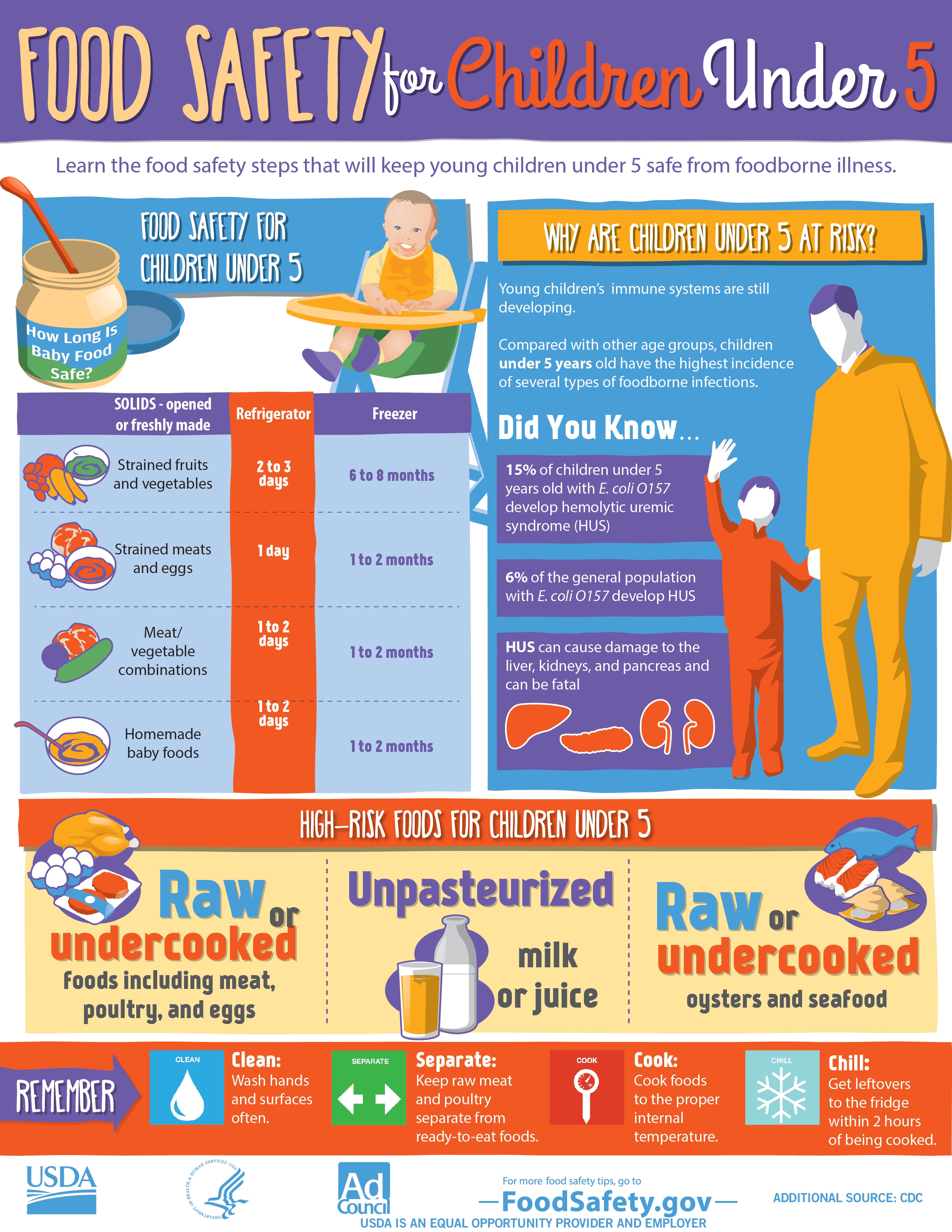
At a glance: Kansas State University food scientist Karen Blakeslee says children age 5 and younger are at higher risk of foodborne illness because their immune systems are still developing and they cannot fight off infections as well as older children and adults.
More information: Karen Blakeslee, 785-532-1673, kblakesl@k-state.edu
Related: Rapid Response Center for Food Science | You Asked It! food safety newsletter | At-Home Safe Food Handling: It's in your Hands | Food Safety for Children Under 5
Sept. 12, 2025
K-State Extension news service
MANHATTAN, Kan. – Most Americans believe, with good reason, that their food supply is among the safest in the world.
And yet, the U.S. Centers for Disease Control and Prevention reports that 48 million people – about 1 in 6 Americans – get foodborne infections every year. Of those, nearly 128,000 are hospitalized; 3,000 die from their illness.
Kansas State University food scientist Karen Blakeslee says children age 5 and younger are at higher risk of foodborne illness because their immune systems are still developing and they cannot fight off infections as well as older children and adults.
“Also, young children make less stomach acid that kills harmful bacteria, making it easier for them to get sick,” Blakeslee said.
Because young children’s bodies are small, vomiting or diarrhea that often accompanies foodborne illness can lead to serious dehydration.
The World Health Organization reports that there are more than 200 diseases caused by eating food contaminated with bacteria, viruses, parasites or chemical substances, such as heavy metals.
“In children under five years of age, some foodborne infections with the bacterium Escherichia coli (E. coli) can lead to hemolytic uremic syndrome, a severe complication that can cause chronic kidney disease, kidney failure and death,” Blakeslee said.
“E. coli infections are likely to come from undercooked ground meat, unpasteurized (or raw) milk, unpasteurized fruit juice, lettuce, spinach, sprouts and even fresh or frozen cookie dough, if eaten before it is cooked.”
In addition to E. coli, the U.S. Food and Drug Administration lists Norovirus, Salmonella, Campylobacter, Hepatitis A and Listeria as the most common foodborne illnesses in the United States.
Blakeslee urges parents and caregivers to always follow four basic steps critical to preparing food safely:
- Clean surfaces, utensils and hands before and after handling food.
- Separate foods during preparation. Use different cutting boards for meat, poultry, seafood and vegetables.
- Cook food properly. Use a food thermometer to check for the doneness of meats, casseroles and leftovers. For guidance on correct temperatures for many foods, see the publication, At-Home Safe Food Handling: It’s in Your Hands, available from the K-State Research and Extension bookstore.
- Chill foods during and after serving. Keep the refrigerator at 40 degrees F or below to keep bacteria from growing.
When preparing food, “wash your hands frequently, especially after using the restroom or changing baby diapers,” Blakeslee said. “And teach children how to wash their hands. Show them how to use soap and how to rub their hands together.”
A detailed guide on food safety for children under age 5 is available online from the U.S. government’s food safety program. Blakeslee said many of the same guidelines apply for pregnant women and their unborn children, another high-risk group for foodborne illness.
More food safety tips also are available online from K-State’s Rapid Response Center for Food Science. Blakeslee publishes a monthly newsletter, called You Asked It!, with timely tips for safe food in and out of the home.
More information is also available at local extension offices in Kansas.
***

K‑State Research and Extension is a short name for the Kansas State University Agricultural Experiment Station and Cooperative Extension Service, a program designed to generate and distribute useful knowledge for the well‑being of Kansans. Supported by county, state, federal and private funds, the program has county extension offices, experiment fields, area extension offices and regional research centers statewide. Its headquarters is on the K‑State campus in Manhattan. For more information, visit www.ksre.ksu.edu. K-State Research and Extension is an equal opportunity provider and employer.