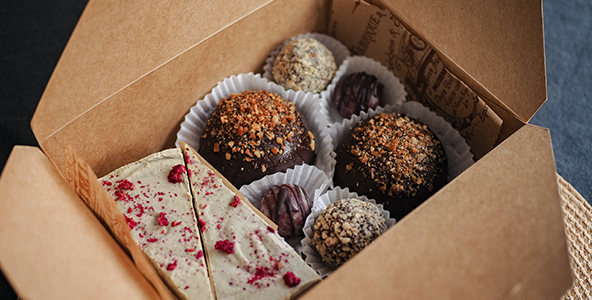
 Choose overnight shipping when sending food gifts, says K-State food scientist Karen Blakeslee.
K-State food scientist shares tips for mailing holiday food gifts safely
Choose overnight shipping, if possible, Blakeslee says
Dec. 16, 2022
By Maddy Rohr, K-State Research and Extension news service
MANHATTAN, Kan. – Fruit and nut baskets, meat and cheese trays, breads, chocolate-covered treats and meats are great holiday food gifts to send to family and friends in December, but food safety during transportation is crucial, said Kansas State University food scientist Karen Blakeslee.
“Many food businesses ship food, including perishable food, and that should be done overnight if possible. These foods must be kept cold,” Blakeslee said.
If there is evidence of tampering or you suspect the temperature of the food rose above 40 degrees Fahrenheit when the gift is delivered, do not consume the food. Then, contact the company, Blakeslee said.
If shipping food yourself, Blakeslee recommends using a sturdy box, adding a frozen gel pack or dry ice, labeling clearly, and notifying the recipient it is on the way.
The USDA provides additional tips on mail order food safety as well as how to properly handle individual food products and proper storage upon arrival.
Blakeslee, who also is coordinator of K-State’s Rapid Response Center for Food Science, publishes a monthly newsletter called You Asked It! that provides numerous tips on being safe and healthy.
More information is also available from local extension offices in Kansas.