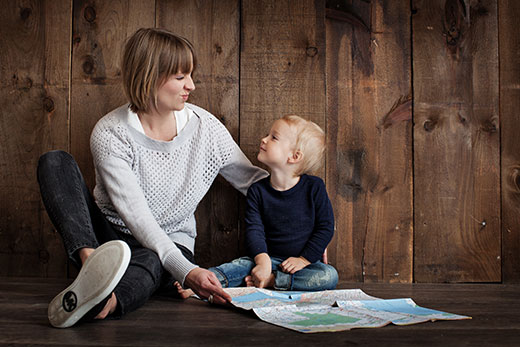
Kindness is a type of love that everyone can practice, says K-State child development specialist Bradford Wiles.
Kindness Counts: Valentine’s Day not just about romance
Child development specialist says everyone can practice kindness
Feb. 6, 2023
By Pat Melgares, K-State Research and Extension news service
MANHATTAN, Kan. – It’s February, and love is in the air, which means many have turned their thoughts to red roses, chocolate and dreamy greeting cards.
But Kansas State University child development specialist Bradford Wiles says it can also mean something more simple: Kindness.
“I always implore people to be kind to themselves (because) it’s really easy to not be kind to ourselves,” Wiles said.
“We make mistakes, but then we ruminate on them. We allow them to dominate thoughts about something that otherwise would be just fine. We need to learn to be kind to ourselves, as well.”
Listen to an interview by Jeff Wichman with Bradford Wiles on the weekly radio program, Sound Living
Wiles said Valentine’s Day celebrates love, “but a key component of that is kindness – kindness to our partners, kindness to our children, kindness from sibling to sibling. And then there is kindness to our classmates and peers.”
“That’s the kind of love that everyone can practice.”
Children, he adds, learn love and kindness from the adults in their lives.
“The reality is that the earlier you learn about expressing feelings about empathy – especially understanding what other people are doing and feeling and thinking – and making a habit of being kind, then the easier it is for you to do that throughout your lifespan,” Wiles said.
“And I can tell you that people who practice kindness, people who practice gratitude, are just healthier, happier and better adjusted people. The research bears that out unequivocally. And it's not that they're kind because they're healthy and happy. They're healthy and happy, because they're kind.”
Wiles noted that children who have an orientation toward fear and suspicion often get that through early experiences.
“Now, I want to be really clear that you can overcome some of those things in your life,” he said. “But the mountain that you’ll have to climb becomes a mole hill if you’re already practicing kindness.”
Children and Valentine’s Day
Children typically don’t begin to view Valentine’s Day in terms of romantic love until later in their school years. Their first experiences take place within their family structure.
“At home, it's really a chance for parents and primary caregivers to express love, comfort and support for their child in ways that are very healthy, that clearly don't have the romantic component,” Wiles said. “The home is a great place to leverage the chance to really talk about how much you love and support your child, while making them feel loved and included.”
Wiles said parents should encourage children to actively engage in showing love toward family members, as well.
“As parents, we typically have this viewpoint (during the holidays) that we do things for our children and rarely do they do things for us,” Wiles said. “Valentine's Day gives you a chance to provide gratitude for that recognition of the love you feel toward them, but also the love you receive from your children.
“And so it's a really good opportunity to help your children understand that they're a partner in this relationship too. They bring you joy and that feeling of love and satisfaction, and they should know that it's not just a one direction type of dynamic. It's empowering for them. It helps them understand that they're not just being acted on by the world, but they can act on the world as well.”
More information on child development is available online from K-State Research and Extension.