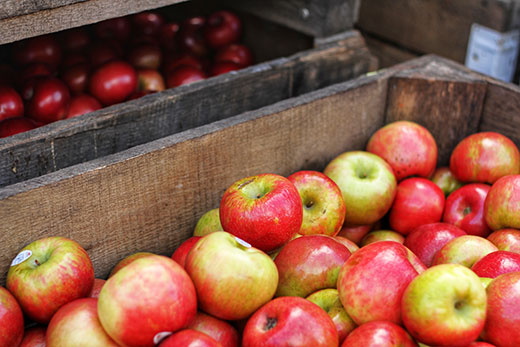
Some fruit peelings are nutritionally beneficial, but may also hold onto microorganisms and dirt, said K-State food scientist Karen Blakeslee.
Food safety specialist: Peel produce before preserving
K-State’s Blakeslee says peels can hold onto microorganisms and dirt
June 12, 2023
By Maddy Rohr, K-State Research and Extension news service
MANHATTAN, Kan. – Food preservation can be done in many ways, but food safety should be a priority in all. Kansas State University food scientist Karen Blakeslee said there are common steps to take, including peeling produce to ensure food safety.
“While the outside peels of many types of produce are nutritionally beneficial, those peels can hold onto microorganisms and dirt,” Blakeslee said. “Rinsing produce with water before peeling is the first step to remove microorganisms and dirt.”
Blakeslee added that peeling physically removes the outer layer and reduces contamination. After peeling, you should rinse and preserve the item.
“When a recipe says to peel the produce, it must be done,” Blakeslee said. “Choosing to skip the peeling step can result in improperly processed food and spoilage.”
Blakeslee encourages saving the peels to make a vegetable stock that can be frozen and used in soups and other recipes; added to a garden compost pile; or fed to animals.
Perfect Peeling
“While a vegetable peeler or paring knife is useful to peel produce, for some foods there is an easier method,” Blakeslee said. “For tomatoes, blanching them in hot water works well and less flesh is lost.”
First, heat a large stockpot of water to boiling. Then, core tomatoes or poke the skin with a knife and place in the hot water for about 60 seconds or until the peel starts to pull away from the flesh.
Next, remove tomatoes from hot water and plunge them into an ice water bath to stop the cooking process. Gently rub the peel and it should slip off easily.
“This method works well for fruits with thin skins, such as peaches and nectarines,” Blakeslee said.
Blakeslee, who is also coordinator of K-State’s Rapid Response Center for Food Science, publishes a monthly newsletter called You Asked It! that provides numerous tips on food safety.
More information is also available from local extension offices in Kansas.