From the center pivot irrigation systems on Kansas farmland, the fishing areas at our reservoirs and the drinking water coming out of a household tap, water is a natural resource that affects every resident of Kansas, regardless of age, occupation or zip code. K-State Research and Extension water research is focused on delivering science-based answers to questions on irrigation technologies, water conservation and water use and water quality in urban and rural areas of our state.
Kansas has a very diverse climate, with semi-arid swaths of land in the western part of the state, and humid areas in eastern Kansas. There is no “one-size-fits-all” research available for Kansas water, and we know that no one discipline can solve the issues our state faces when it comes to the topics of water use, water supply and water quality.
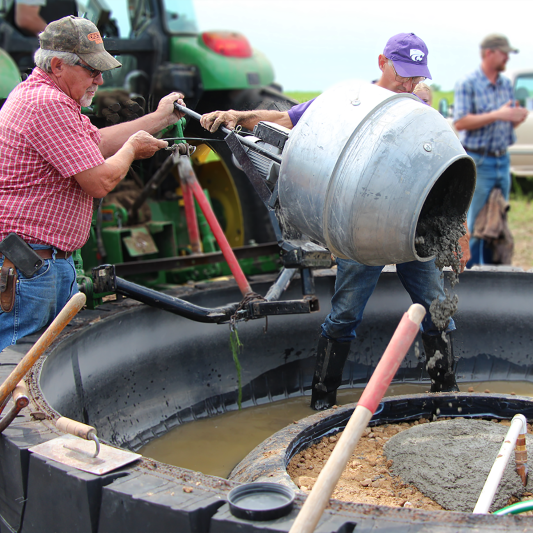
For this reason, K-State Research and Extension specialists take a multi-disciplinary approach to the topic of water: this includes large-scale research on water use and sustainability of the Ogallala Aquifer at our Western Kansas Research-Extension Centers, the creation of partnerships between Extension specialists, industry leaders, state agencies and Kansas agriculturalists for on-farm research and one-on-one approaches with individual producers about best management practices for improving water quality on their land.
Resources
Below are helpful resources relating to water and natural resources. If you have specific questions, please reach out to one of our specialists or contact your local extension office.
KCARE works with university researchers to develop and deliver knowledge that helps Kansans balance the use of our state’s natural resources with the protection of those resources. Our work includes research and projects on groundwater (Ogallala and High Plains Aquifer) and surface water protection strategies.
Kansas Water Institute develops and supports research on high-priority water resource problems and objectives, as identified through the state water planning process. It is also designed to facilitate effective communication between water resources professionals and to foster the dissemination and application of research results. Contact our team for additional information and resources.
Depending on the year, areas throughout the state might be impacted by drought. During times of drought, it can be difficult to understand how current decisions might affect long term management practices. Here, we will provide resources and information on drought and how to mitigate some of its more damaging effects.
K-State Research and Extension is committed to developing and promoting new irrigation technologies that will be environmentally and economically efficient while conserving and protecting limited water resources.
Stay up to date on the latest news, events and activities by following us on social media or checking out our calendar of events. Be sure to listen to the latest episode of Agriculture Today for ag news and updates.
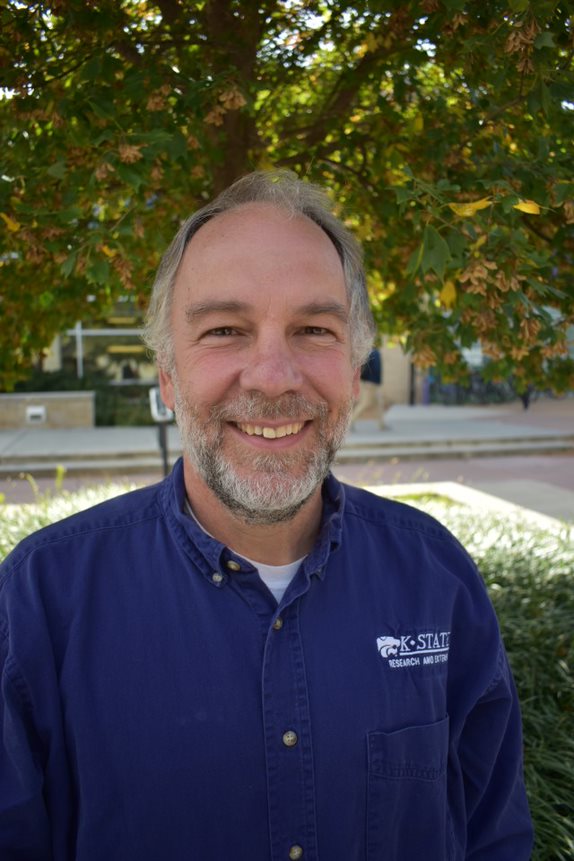
Extension Watershed Specialist wboyer@ksu.edu Area of specialization: Northeast Kansas Watersheds
Jeff Davidson
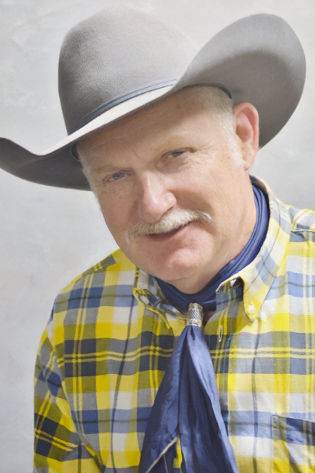
Extension Watershed Specialist jdavidso@ksu.edu Area of specialization: Flint Hills Watersheds
Herschel George
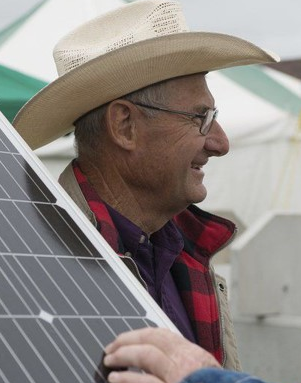
Extension Watershed Specialist, retired hgeorge@ksu.edu Area of specialization: Southeast Watersheds
Ron Graber
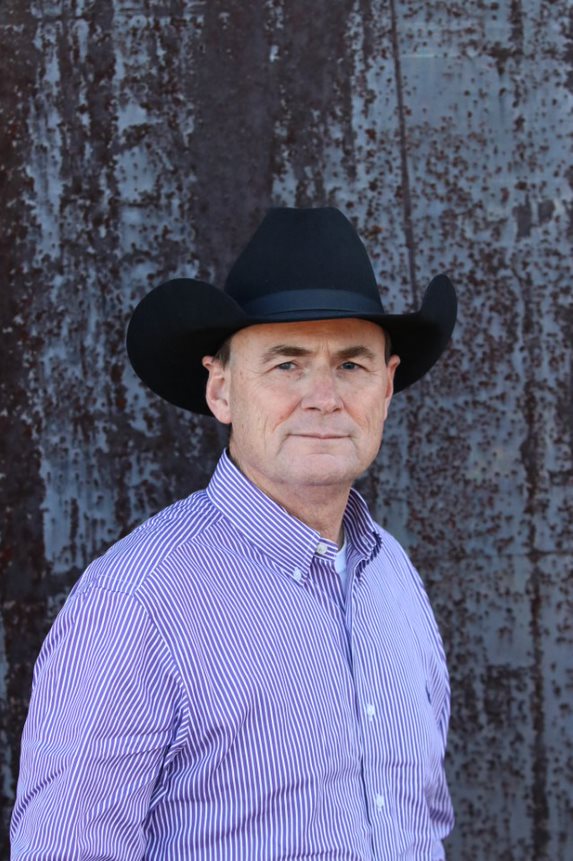
Extension Watershed Specialist rgraber@ksu.edu Area of Specialization: Central Kansas Watersheds
Stacie Minson
Extension Watershed Specialist sedgett@ksu.edu Area of Specialization: Kanopolis Watersheds
Daniel Skucius
Extension Watershed Specialist skuciusd@ksu.edu Area of Specialization: Northeast Kansas Watersheds
Programs and Events
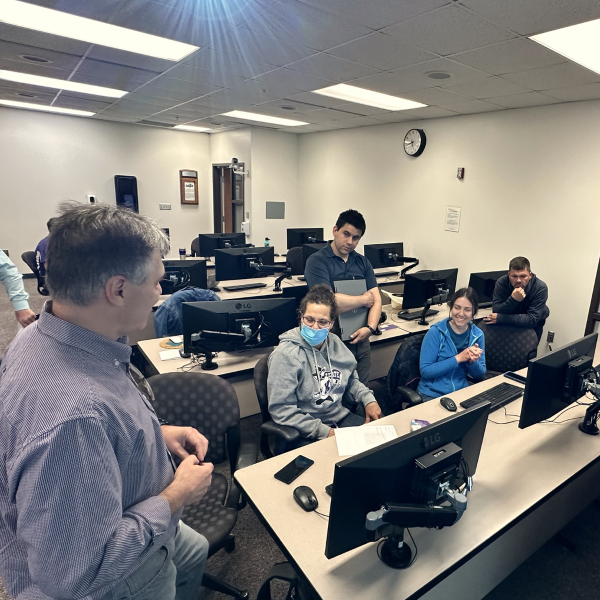
We offer a variety of learning opportunities and programs throughout the year. For more information on upcoming classes and events in your area, please contact your local extension office.
The Natural Resources Professional Focus Team offers virtual and in-person training events on a variety of topics related to water and other natural resources.
Learn more about how KCARE Extension Watershed Specialists work one-on-one with landowners and producers to protect and improve water quality in Kansas.
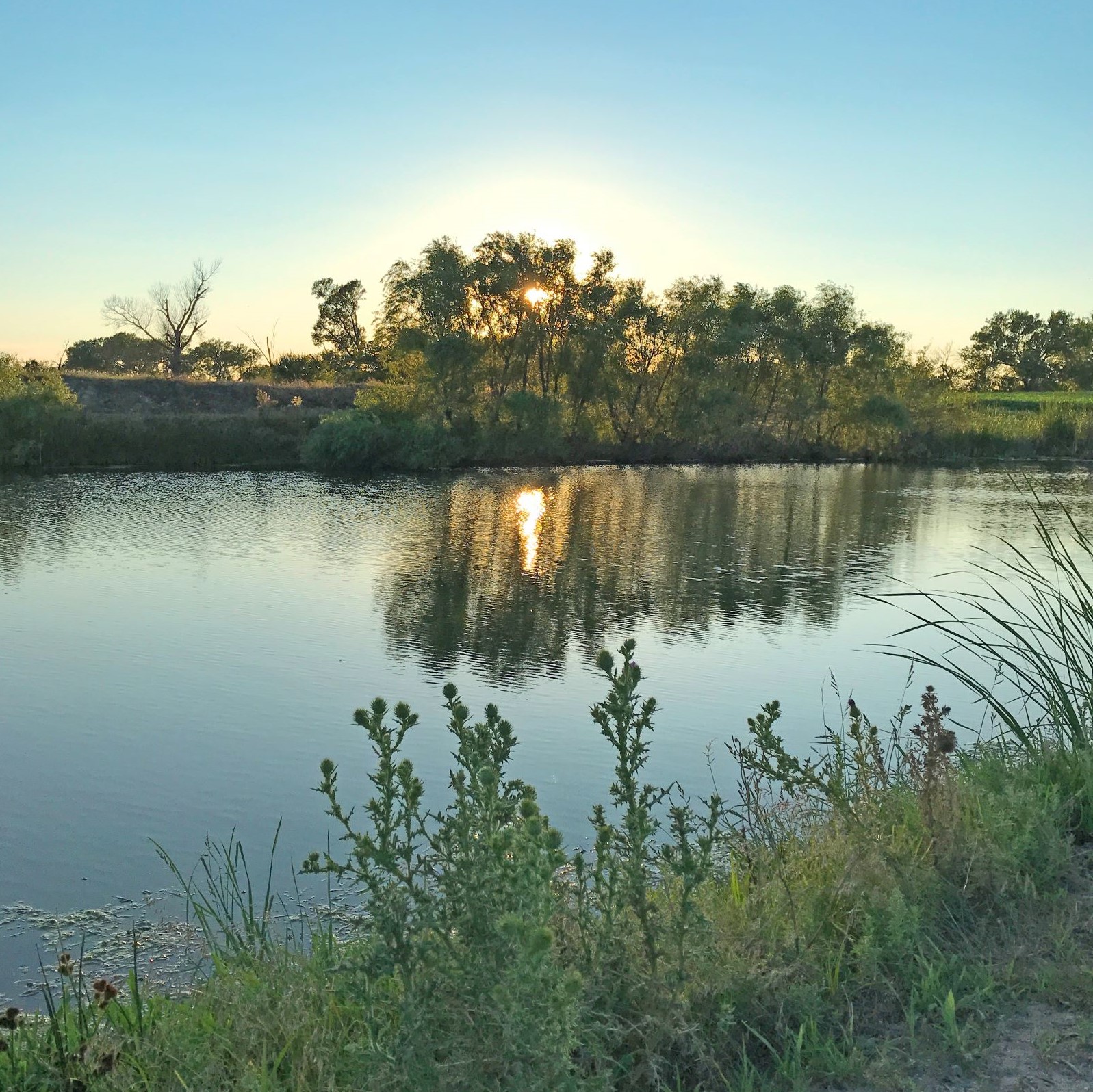

 KCARE works with university researchers to develop and deliver knowledge that helps Kansans balance the use of our state’s natural resources with the protection of those resources. Our work includes research and projects on groundwater (Ogallala and High Plains Aquifer) and surface water protection strategies.
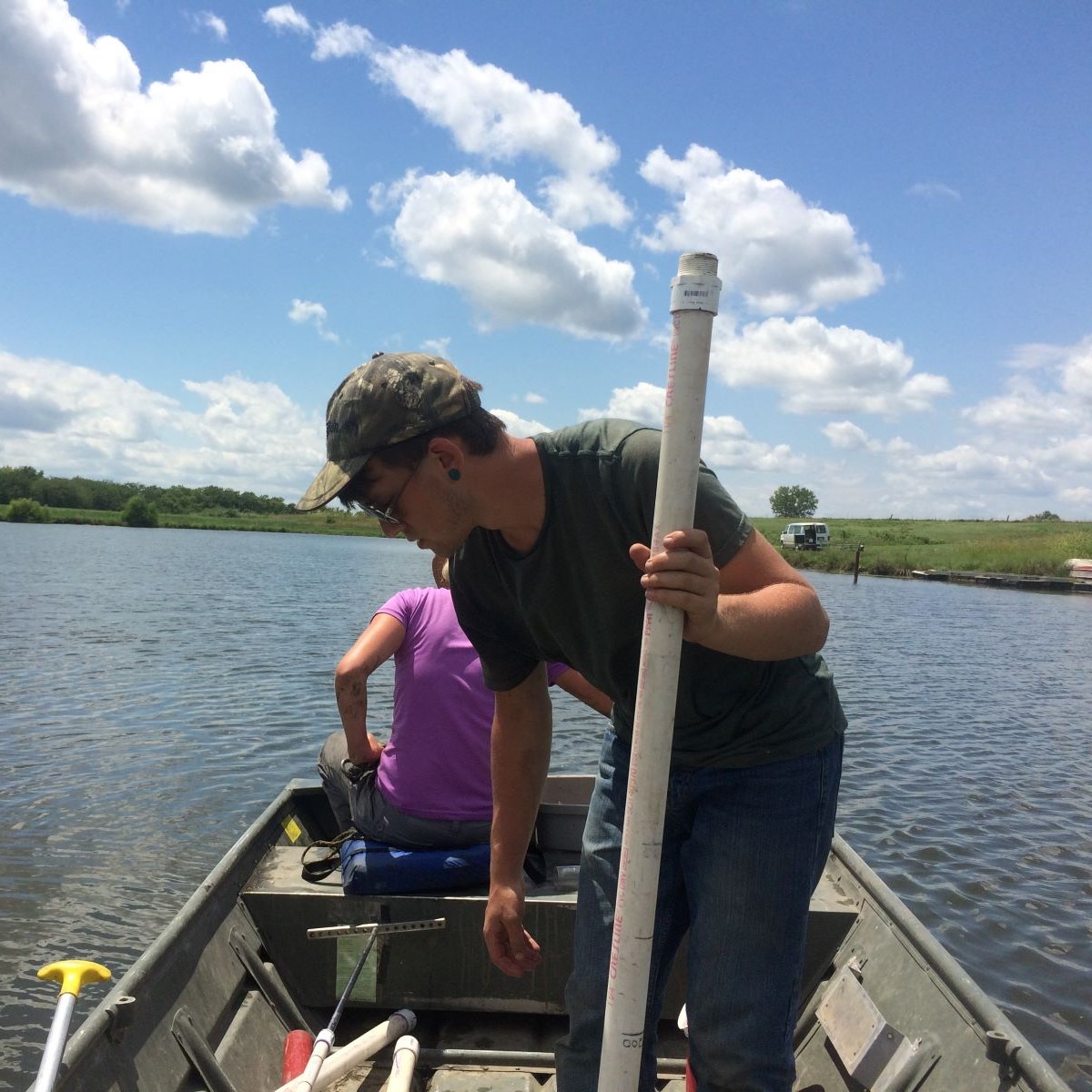 Kansas Water Institute develops and supports research on high-priority water resource problems and objectives, as identified through the state water planning process. It is also designed to facilitate effective communication between water resources professionals and to foster the dissemination and application of research results.